How to Teach Kids Chinese at Home (Even If You’re Not Fluent)
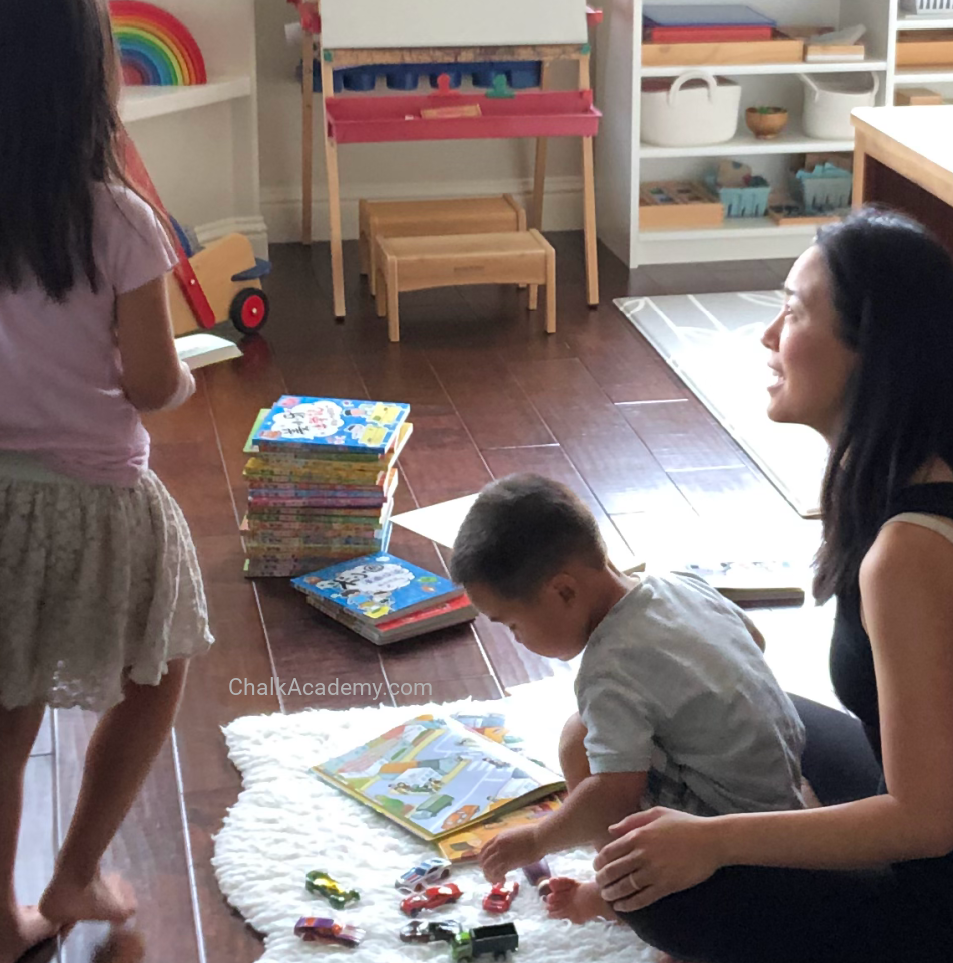
I was floundering when my oldest was a baby. I wanted so badly to learn my parents’ language to share it with my children, but I had no idea where to start. I couldn’t remember any Mandarin, and my parents had long passed away. As a new mom, I was beyond exhausted, with no time or energy to figure it all out on my own. I needed simple, practical ideas: songs, activities, anything that could fit into real life. After countless hours searching online, what I found was either overwhelming, unrealistic, or beside the point.
If you’ve ever tried looking up Chinese learning resources, you know exactly what I mean.
So I created the guide I wish I had from the start.
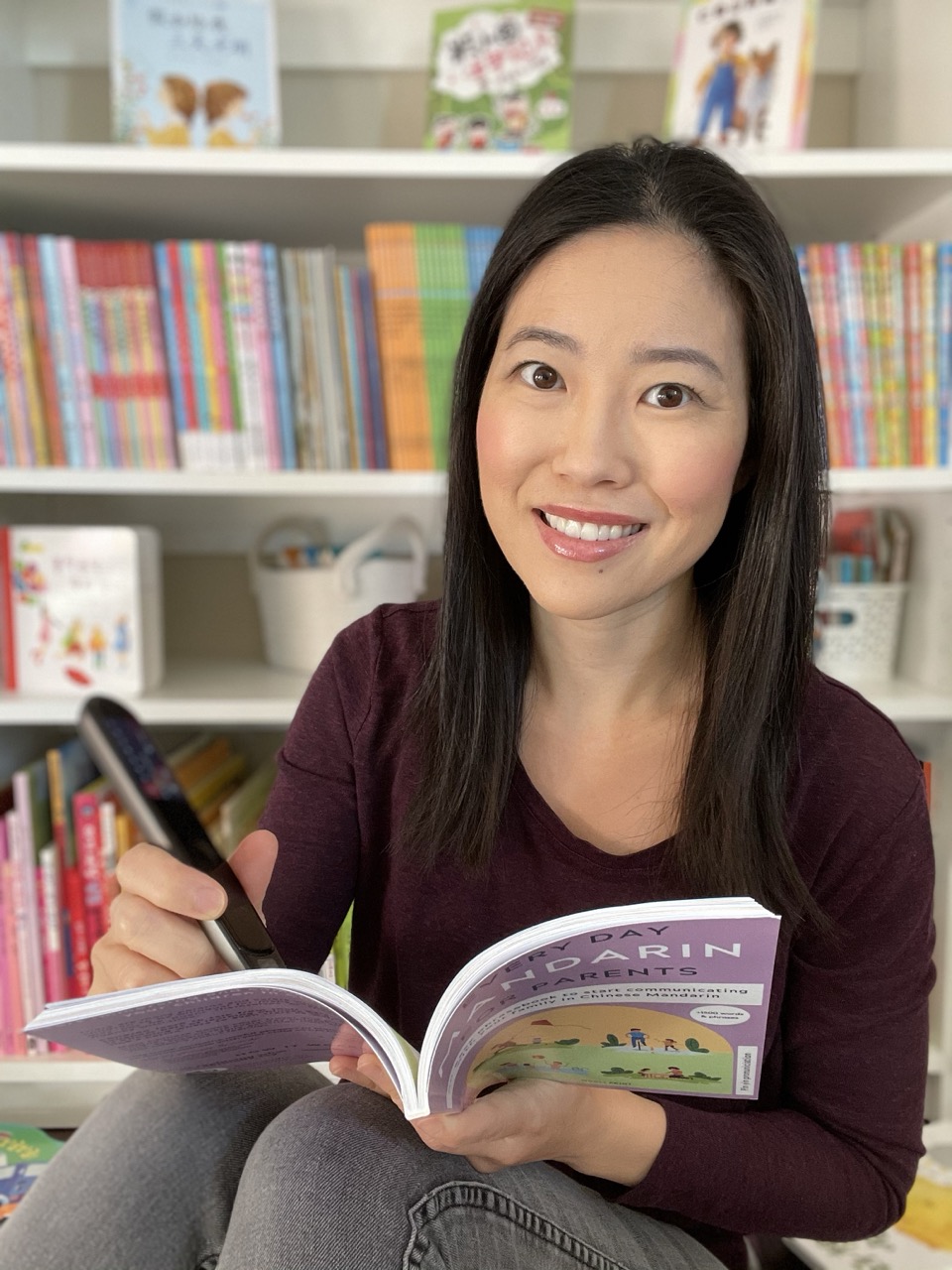
I’m Dr. Betty Choi, a pediatrician and mom who grew up speaking only English. When my children were born, I couldn’t speak a word of Chinese. We live in a small, non-diverse town in California, far from any Chinese-speaking community. And yet, my daughter learned to read over 1,000 Chinese characters before she started kindergarten, while I was learning alongside her.
When I created Chalk Academy, my goal was simple: honest, practical information for non-fluent families — a roadmap with hope, even if you don’t have access to nannies, immersion schools, or trips to Asia.
Here you’ll find the exact tips and resources my family has used, organized by skill, so you can build a Chinese learning environment at home no matter where you are.
If you’re also working on your own Mandarin alongside your child, this article covers how I did it: How I’m Learning Chinese as a Busy Parent: Speaking, Reading, Writing
Jump to a section: Where to Start | Simplified vs. Traditional | Listening and Speaking | Music, Shows, Books, Apps | Reading and Writing | Festivals and Culture | Asian American Books in English | Encouragement
How to start teaching Chinese as a second language to kids
Start with just one thing: one phrase at breakfast, a Chinese song during a car ride, or a short book at bedtime. Over time, consistent, low-pressure exposure builds the foundation, and you can add more when it feels more natural.
When you’re ready, these three articles will help you understand how to build a Chinese learning environment:
- Raising a Bilingual Child: 5 Key Steps to Implement at Home
- Raising Multilingual Children When You’re Not Fluent in One Language
- Raising a Bilingual Baby: 5 Things Parents Should Do — specifically for parents starting in infancy
Should your family use simplified or traditional Chinese?
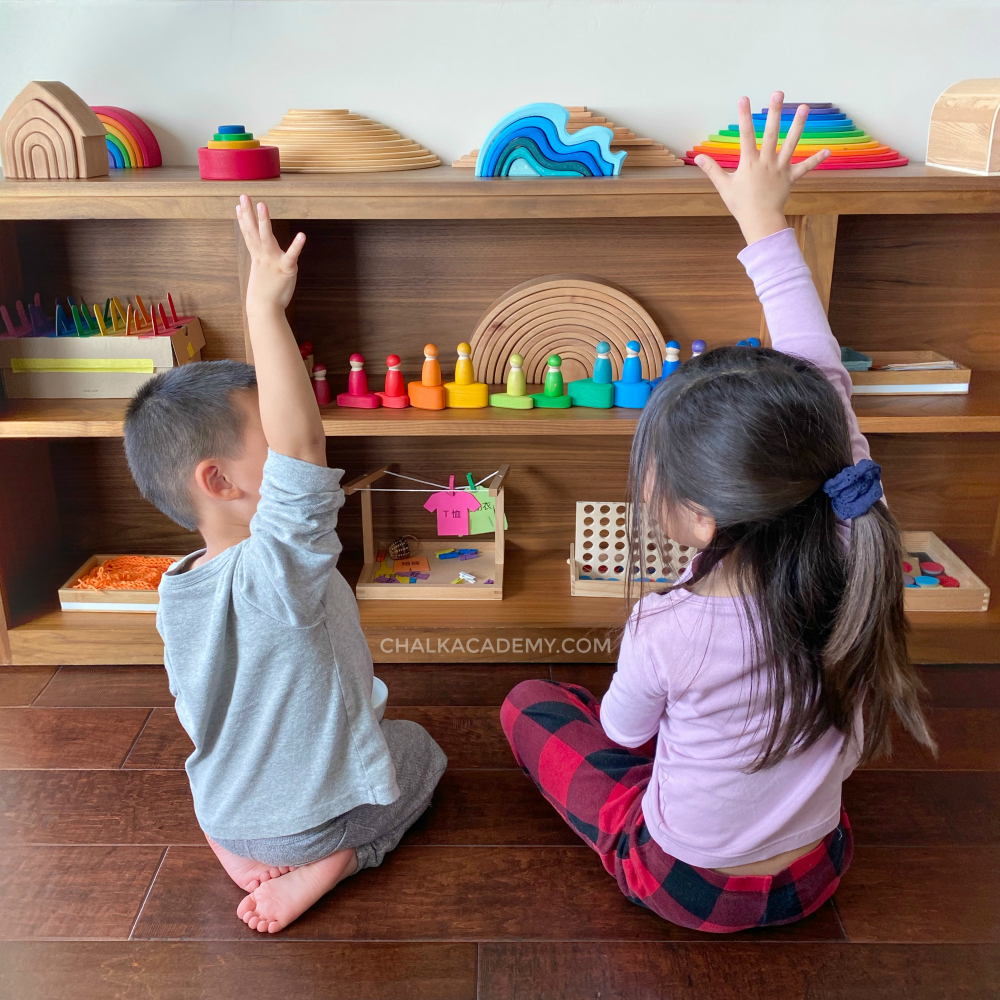
This is one of the first decisions families need to make, because it shapes which resources you buy. For families with a strong connection to a particular script, it can feel like a high-stakes choice.
The short answer: Choose based on your family’s heritage and goals. Simplified Chinese is used in mainland China; Traditional Chinese is used in Taiwan, Hong Kong, and many overseas Chinese communities. Traditional Chinese resources are significantly harder to find outside those communities, which is worth factoring in early. But many children can learn to recognize both over time.
Simplified vs. Traditional Chinese: What’s the Difference and Which Is Better?
Building listening and speaking skills
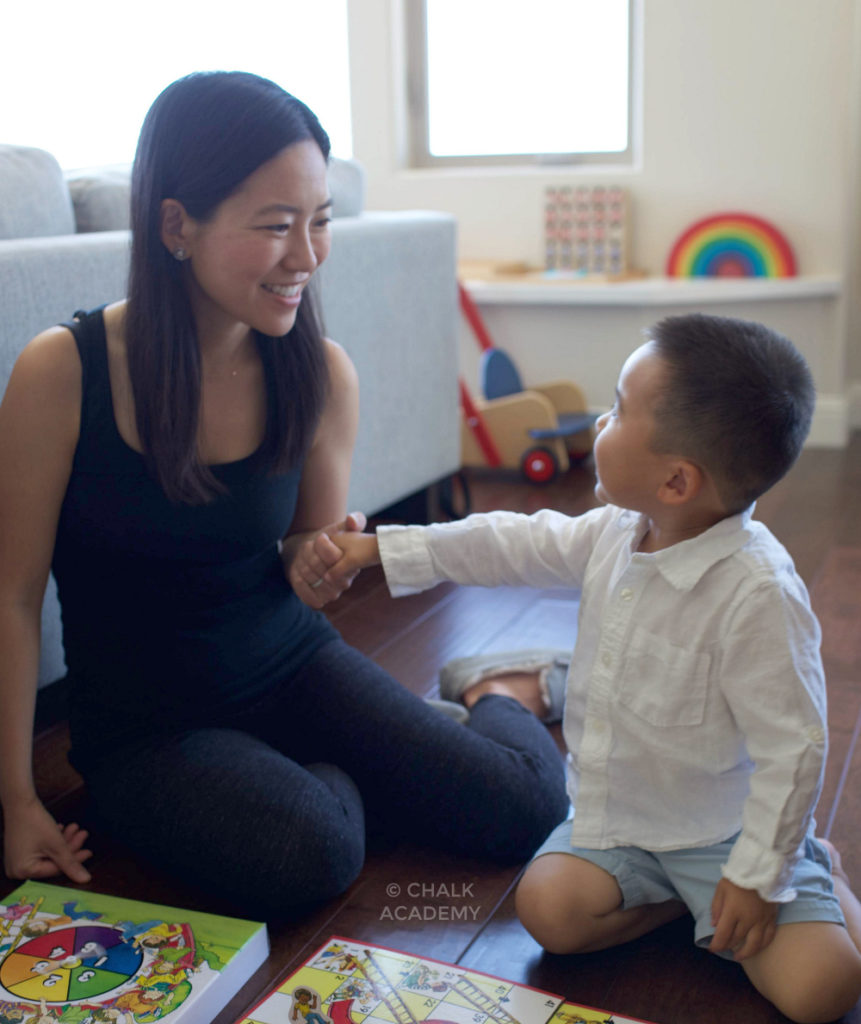
Not sure what language skill to focus on first? Listening and speaking always come before literacy. Get the sounds and words into their ears before worrying about characters, Pinyin, or Zhuyin.
Audio exposure through music, shows, and conversation primes your child’s ears and lays the foundation for everything else.
Building Chinese vocabulary: resources for kids and parents
Having reference tools at hand makes a big difference, especially when you’re not fluent. These have been the most useful for families like ours:
- 1500+ Common Parenting Phrases in Mandarin Chinese and Cantonese — language for everyday moments at home
- Best Chinese Picture Dictionaries for Kids and Parents
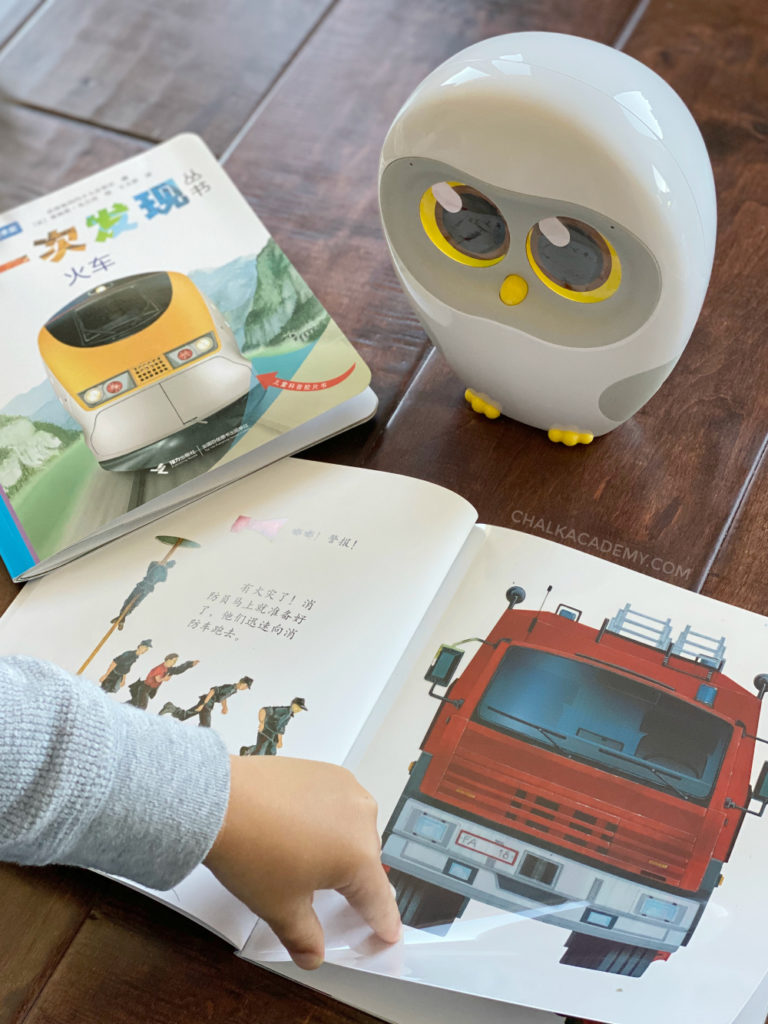
Chinese music, books, shows, apps, and gadgets
You don’t need to be fluent when good resources are within reach. These tools do the immersion work for you.
- Mandarin Chinese Music for Kids
- Mandarin Chinese Shows and Movies
- Chinese Children’s Books – organized by level, topics, language type (Simplified Chinese, Traditional Chinese, Pinyin, Zhuyin)
- Chinese Learning Apps for Kids
- Chinese Reading Robot and Translation Pens
- Bilingual Hands-on Activities organized by topic
- Best Chinese Cultural Gifts and Toys
Teaching Chinese literacy: reading and writing
Chinese literacy is a long game, and that’s okay. Focus on reading first; writing can come later — if there’s time and interest. The good news is that both learning to read and write can be surprisingly fun! My children learned hundreds of characters through simple games.
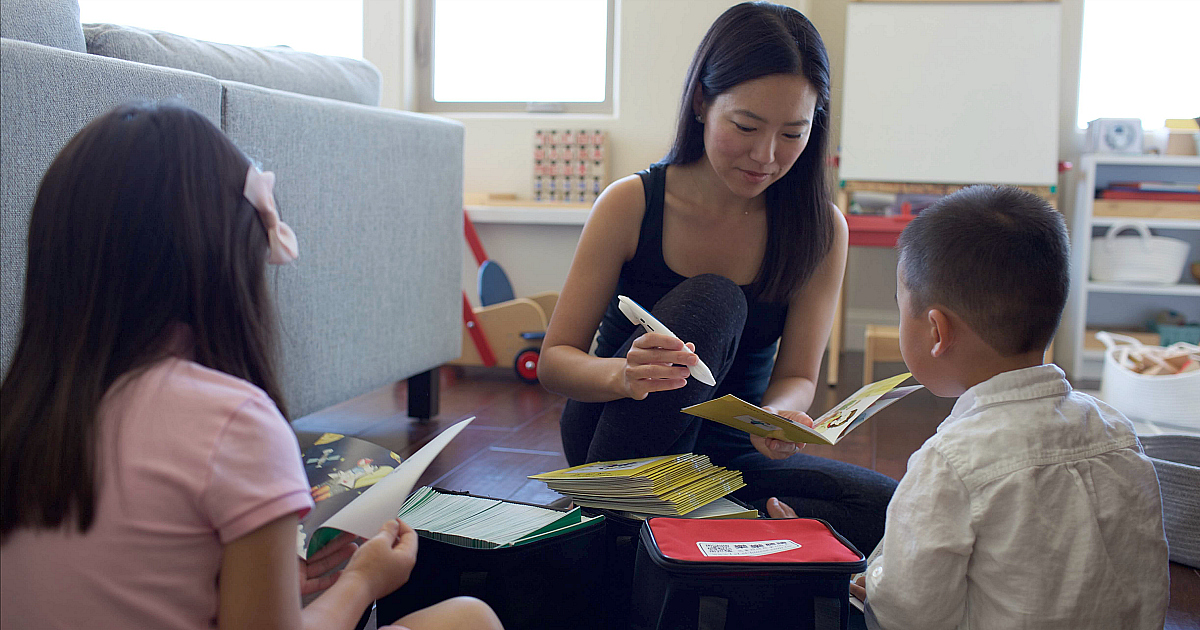
Building Chinese reading skills
- How I Taught My Child 1000+ Chinese Characters as a Non-Fluent Speaker — our full story in detail, including the exact methods and resources we used
- When Should My Child Learn Pinyin?
- 5 Best Ways to Remember Chinese Characters
- Chinese Leveled Readers: A Comparison Guide
- More Reading Tips here
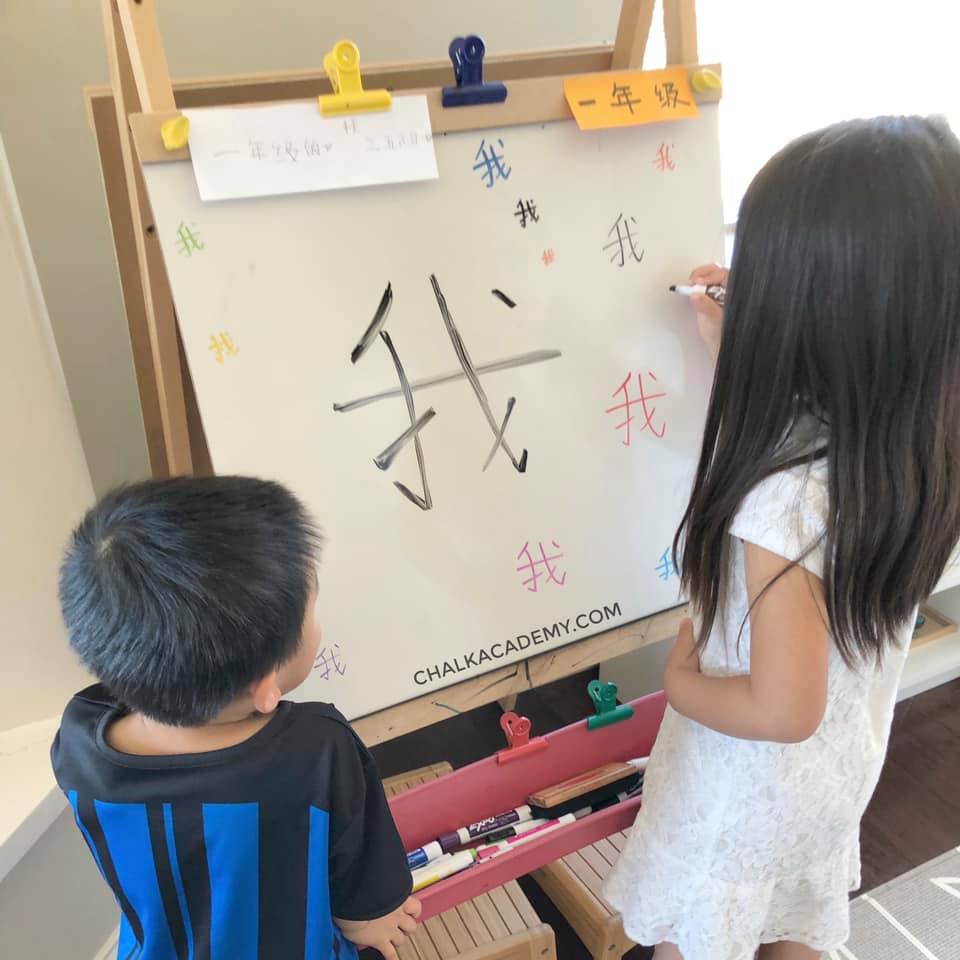
How to teach Chinese writing
Writing Chinese characters is optional for many families. With texting and typing, it’s becoming less essential in modern times. But if you have time and interest, handwriting connects children to language on a deeper level.
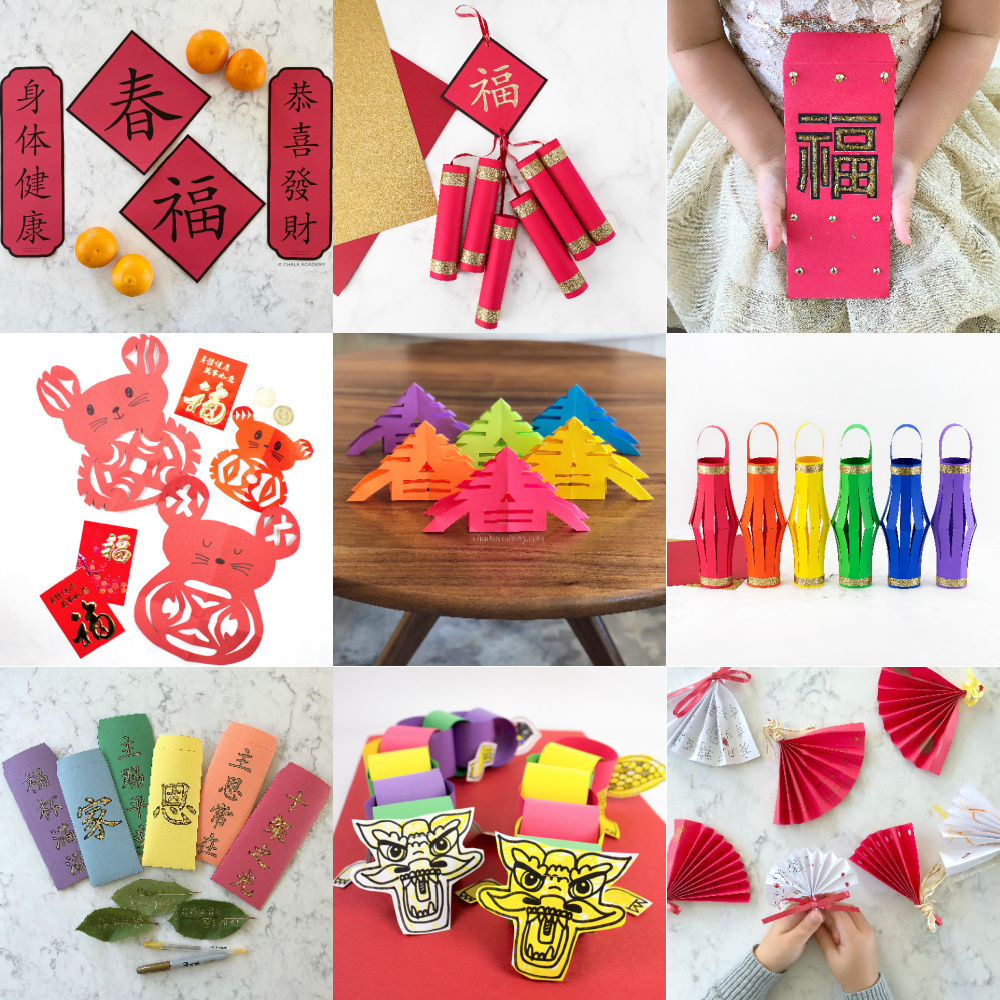
Celebrating Chinese culture and festivals with kids
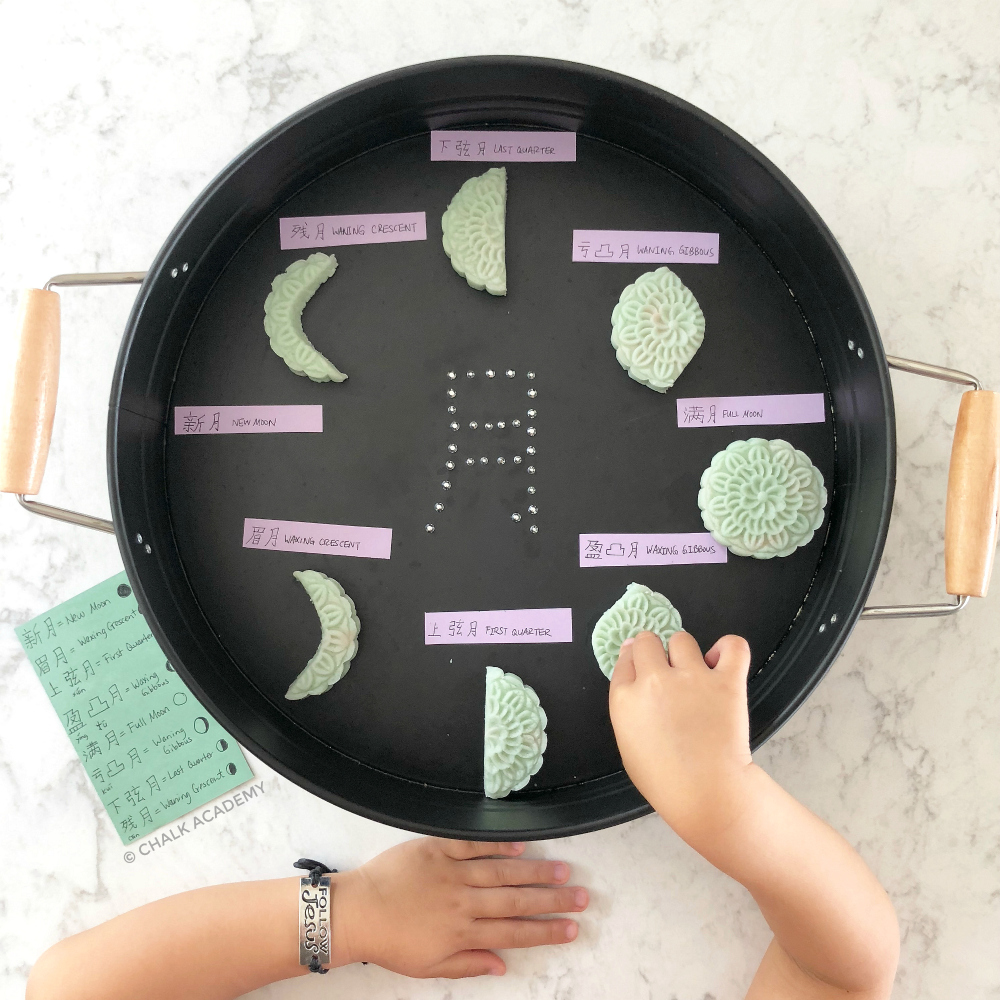
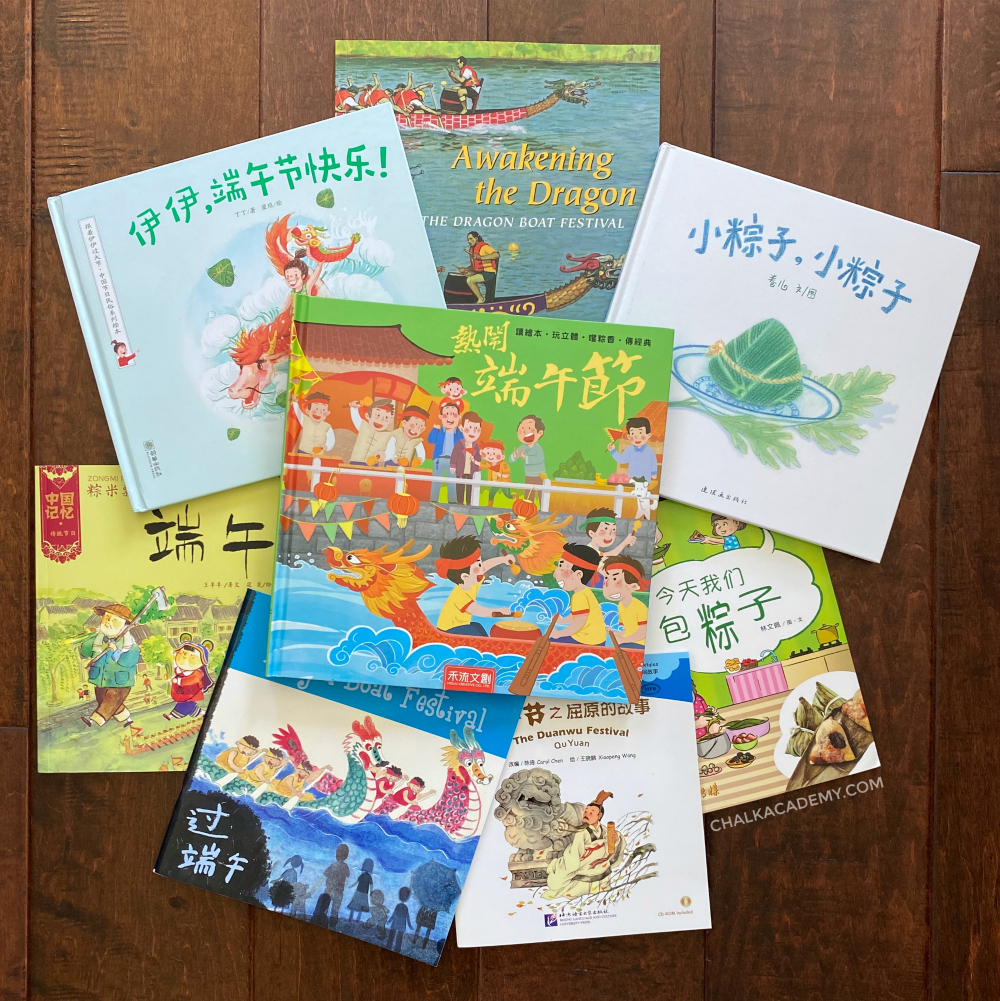
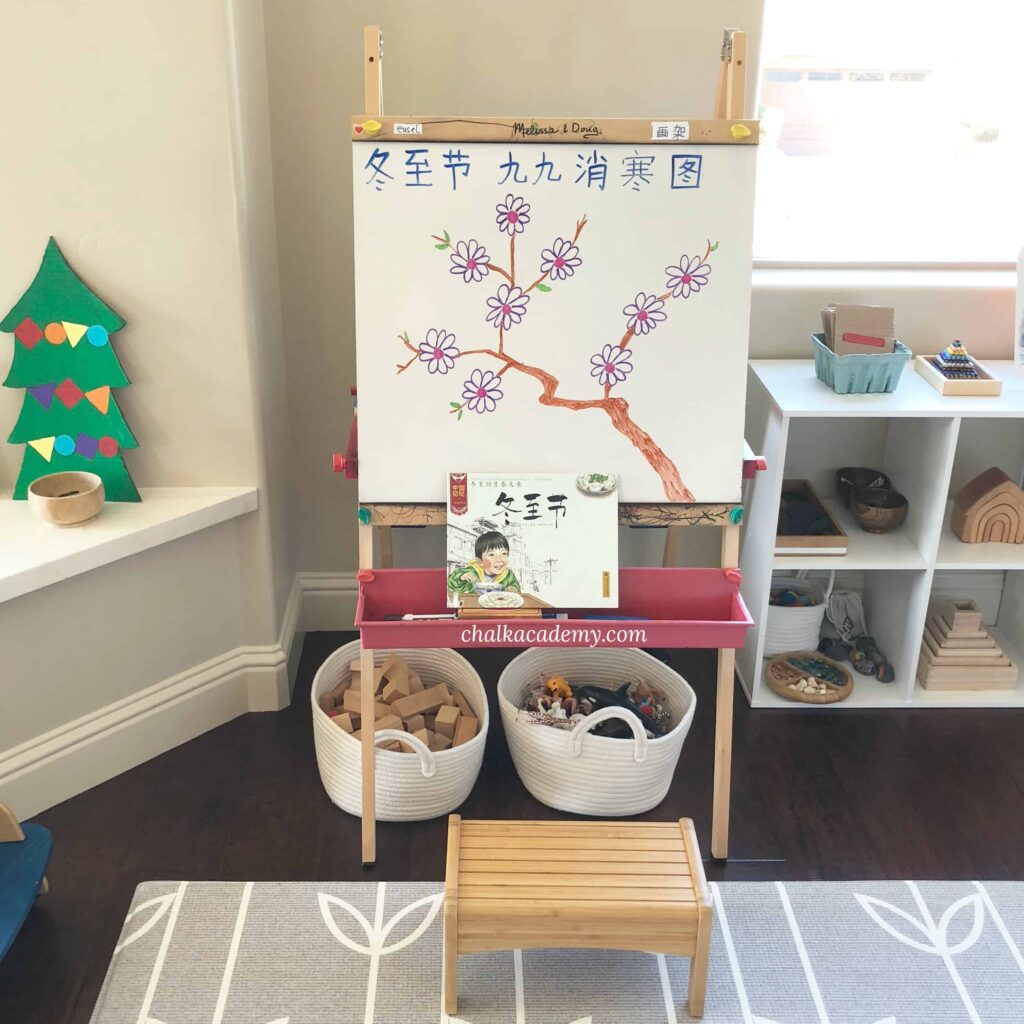
Holidays are one of the most meaningful ways for children to connect with Chinese culture and history. These guides are designed for families and classrooms, even if your home or school is not teaching Chinese.
Chinese and Asian American Books in English
Representation in English books matters, too. Whether your child is deep in bilingual learning or you’ve stepped back for a season, children need to see themselves and their heritage in the stories they read. And they’re important to share with teachers and libraries, too.
- 100 Picture Books that Celebrate Asian American Heritage
- 50 Middle Grade Novels That Make Asian Americans Feel Seen
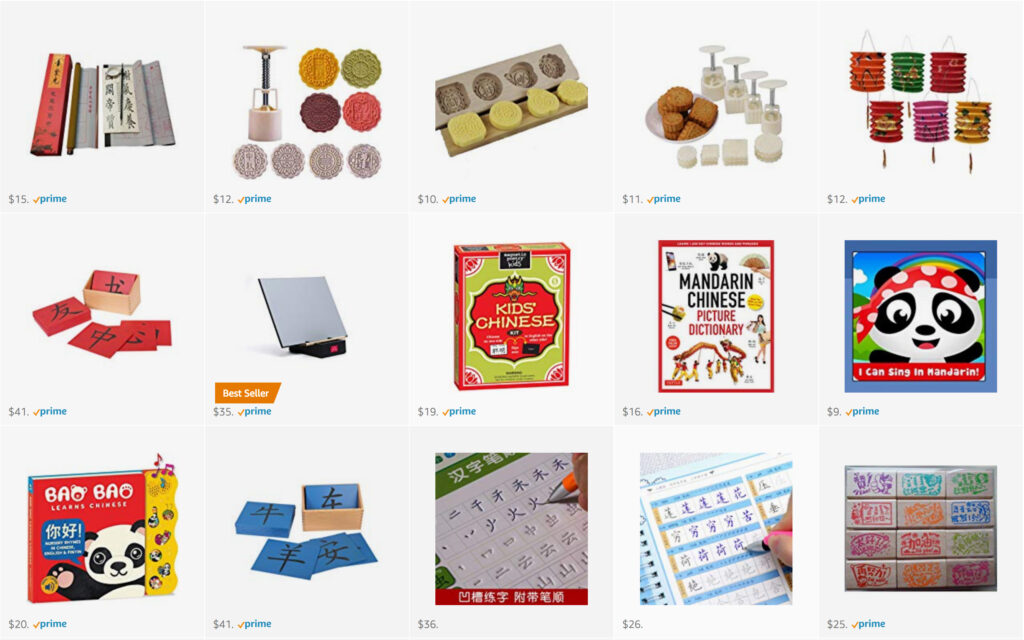
Chinese resources for kids on Amazon
Check out these Chinese learning tools and cultural toys here!
A note of encouragement
You don’t have to do everything on this page. Start where you are, with what you have.
It’s not about perfection. It’s about connection — to your child, to your heritage, and to the community of families walking this same worthwhile path.
If you’d like support on your journey and a behind-the-scenes glimpse into ours along the way, sign up for my Finding Home newsletter, where I share honest reflections and practical resources about twice a month.
谢谢! 謝謝! Thank you!